How Everyday Objects Became Part of the Digital World
For most of human history, objects simply performed their intended functions.
A light bulb provided light. A water meter measured water usage. A traffic signal controlled vehicles at an intersection. A refrigerator kept food cold. These devices worked independently and rarely communicated with one another.
As computers became more powerful and internet access spread across the world, a new idea began to emerge.
What if ordinary objects could collect information, communicate with each other, and make intelligent decisions?
What if a streetlight could detect traffic conditions?
What if a water system could identify leaks automatically?
What if household appliances could communicate with their owners through smartphones?
These questions eventually led to the development of the Internet of Things, commonly known as IoT.
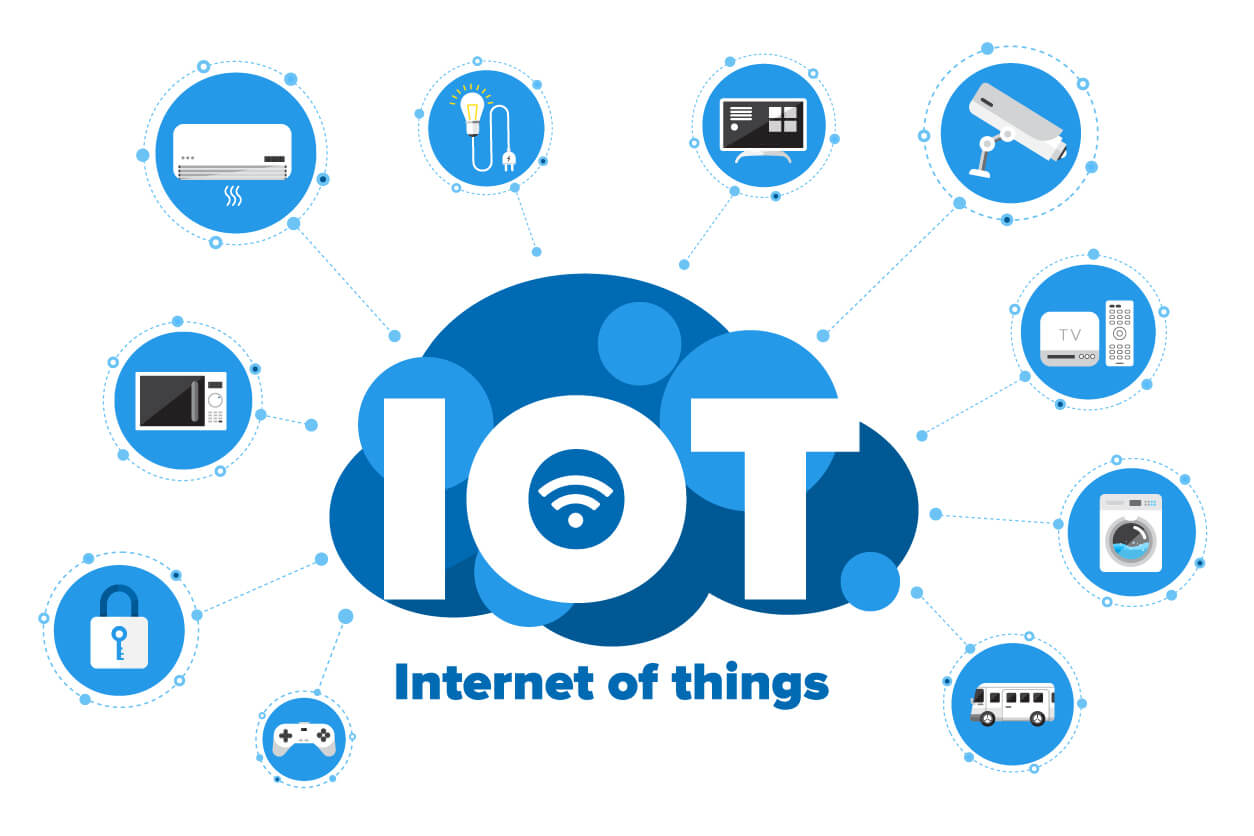
The Internet of Things refers to a vast network of physical devices connected to the internet that can collect, exchange, and process data. These devices often contain sensors, software, communication systems, and computing capabilities that allow them to interact with their environment.
What makes IoT different from traditional technology is that it extends internet connectivity beyond computers and smartphones.
Today, sensors can be installed almost anywhere. They can monitor temperature, air quality, movement, traffic flow, electricity usage, water consumption, equipment performance, and countless other conditions.
As the cost of sensors, wireless communication, and cloud computing decreased, IoT technology became increasingly practical.
Businesses began using connected devices to monitor operations more efficiently. Homeowners started installing smart thermostats, security systems, and connected appliances. Cities explored ways to improve public services using real-time data.
This gradual transformation gave rise to another important concept: smart cities.
A smart city uses connected technologies, sensors, data analysis, and digital systems to improve urban life. The goal is not simply to make cities more technologically advanced. Instead, the objective is to make them more efficient, sustainable, safe, and responsive to the needs of residents.
As urban populations continue to grow, many experts believe IoT and smart city technologies will play a crucial role in managing the challenges of modern urban life.
How IoT Devices Collect, Share, and Use Information
The Internet of Things may seem complex, but its basic operation is relatively straightforward.
Everything begins with sensors.
Sensors act like the eyes and ears of connected systems. They gather information about the surrounding environment and convert it into digital data.
A temperature sensor measures heat. A motion sensor detects movement. A water sensor monitors flow rates. An air quality sensor measures pollution levels. GPS devices track location information.
These sensors continuously collect data from the physical world.
The information is then transmitted through communication networks such as Wi-Fi, mobile networks, Bluetooth, fiber connections, or specialized IoT communication systems.
Once transmitted, the data is often stored and processed using cloud computing platforms.
Artificial Intelligence and advanced analytics play an increasingly important role at this stage. Massive amounts of data can be analyzed to identify patterns, predict problems, and support decision-making.
Imagine a city with thousands of connected traffic sensors.
The sensors monitor vehicle movement, traffic density, road conditions, and congestion levels. Artificial Intelligence analyzes this information in real time and adjusts traffic signals to improve traffic flow.
The same principle can apply to many other systems.
Smart electricity meters can help manage energy consumption. Connected water systems can detect leaks before they become major problems. Environmental sensors can monitor air quality and identify pollution hotspots.
IoT technology also allows devices to communicate with one another.
For example, a smart home may include connected lights, security cameras, door locks, thermostats, and appliances. These devices can work together automatically based on user preferences and environmental conditions.
If a homeowner leaves the house, the system may lock doors, turn off unnecessary lights, adjust temperature settings, and activate security monitoring without requiring manual intervention.
The combination of sensors, connectivity, cloud computing, and Artificial Intelligence creates systems that are increasingly capable of understanding and responding to real-world conditions.
As networks become faster and devices become more intelligent, the capabilities of IoT systems continue to expand.
How Smart Cities Could Improve Everyday Urban Life
The true potential of IoT becomes most visible when applied across entire cities.
Modern urban areas face numerous challenges. Traffic congestion, pollution, energy demand, waste management, water distribution, public safety, and infrastructure maintenance all require careful coordination.
Traditional systems often rely on fixed schedules and limited information.
Smart cities aim to make these systems more responsive through real-time data.
Transportation is one of the most important areas of improvement.
Connected traffic systems can monitor road conditions continuously and adjust traffic signals dynamically. Smart parking systems can guide drivers directly to available parking spaces, reducing congestion and wasted fuel.
Public transportation networks may also become more efficient.
Sensors can track buses, trains, and passenger demand, allowing transit systems to optimize schedules and improve service reliability.
Energy management is another major application.
Smart electrical grids can balance energy demand more effectively, integrate renewable energy sources, and identify outages more quickly. Connected meters allow utilities and consumers to monitor energy usage with greater accuracy.
Water management can benefit significantly as well.
Many cities lose substantial amounts of water through undetected leaks. IoT sensors can identify problems early, helping reduce waste and lower maintenance costs.
Waste collection services are becoming smarter too.
Connected waste bins can monitor fill levels and notify collection teams when service is needed. This reduces unnecessary collection trips and improves operational efficiency.
Environmental monitoring is increasingly important in growing cities.
Networks of air quality sensors can provide real-time information about pollution levels. Authorities can use this data to identify problem areas and develop more effective environmental policies.
Public safety may also improve through connected technologies.
Smart cameras, emergency response systems, and intelligent monitoring tools can help authorities respond more quickly to accidents, disasters, and security incidents.
Healthcare services can benefit indirectly as well.
Environmental sensors, traffic management systems, and emergency communication networks can contribute to faster emergency response times and better public health outcomes.
For residents, many of these improvements may seem invisible.
People simply experience shorter travel times, cleaner environments, more reliable services, and better quality of life without necessarily noticing the complex technology working behind the scenes.
The Challenges, Risks, and Future of Connected Cities
Despite their potential benefits, IoT systems and smart cities face important challenges.
One of the biggest concerns is cybersecurity.
Connected devices create additional points of vulnerability. If security measures are inadequate, hackers could potentially gain access to critical systems, disrupt services, or steal sensitive information.
Protecting connected infrastructure requires continuous investment in cybersecurity technologies and best practices.
Privacy is another major issue.
Many smart city systems collect large amounts of data about traffic patterns, energy usage, environmental conditions, and public spaces. While this information can improve services, it must be managed responsibly to protect individual privacy.
Governments and organizations must establish clear policies regarding data collection, storage, access, and usage.
Cost is also a significant consideration.
Building smart city infrastructure often requires substantial investments in sensors, communication networks, software platforms, and maintenance systems. Cities must carefully evaluate costs and long-term benefits when implementing these technologies.
Technology integration presents another challenge.
Urban infrastructure often includes systems developed over many decades. Connecting older systems with modern digital technologies can be complex and expensive.
Reliability is equally important.
Cities depend on critical services such as transportation, water distribution, electricity, and emergency response. Smart systems must remain dependable even during equipment failures, natural disasters, or cyberattacks.
Despite these challenges, progress continues rapidly.
Advances in Artificial Intelligence, cloud computing, 5G networks, edge computing, and sensor technology are making IoT systems more capable and affordable. Cities around the world are launching projects that use connected technologies to address urban challenges.
Many experts believe the coming decades will see a dramatic increase in the number of connected devices worldwide. Billions of sensors may eventually monitor infrastructure, transportation systems, environmental conditions, and public services.
The concept of a city may gradually evolve from a collection of independent systems into a highly connected ecosystem capable of responding intelligently to changing conditions.
Future cities may automatically optimize traffic flow, manage energy resources, monitor environmental quality, coordinate emergency services, and support sustainable development through continuous data analysis.
The Internet of Things is more than a network of connected gadgets. It represents a new way of understanding and managing the physical world through information. When applied at city scale, IoT creates opportunities to improve efficiency, sustainability, safety, and quality of life.
As technology continues to advance, smart cities may become one of the most important examples of how digital innovation can help address the challenges of an increasingly urbanized world. The connected cities of the future are already beginning to take shape, and their influence is likely to grow for generations to come.